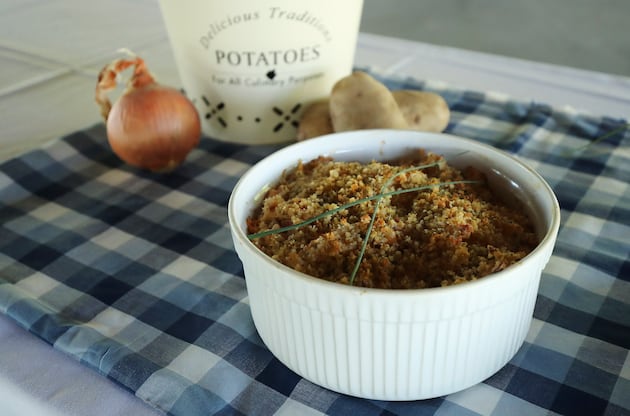
The culinary world is full of dishes with curious names, but few pique curiosity quite like "funeral potatoes." This seemingly somber moniker belies a dish that is anything but: a warm, creamy, and undeniably comforting casserole that has earned its place on countless tables. Far from being exclusive to solemn occasions, these easy funeral potatoes recipe have become a staple at potlucks, holiday gatherings, and family dinners, delighting palates with their irresistible cheesy goodness and crispy topping.
Often referred to as cheesy potatoes, party potatoes, or simply hash brown casserole, funeral potatoes are a quintessential comfort food. They evoke a sense of warmth, nostalgia, and hearty satisfaction, making them a crowd-pleasing addition to any meal. But what's in a name? Let's delve into the intriguing origin and the delicious components of this beloved classic.
The Story Behind the Name: Why "Funeral Potatoes"?
The name "funeral potatoes" might sound a bit morbid at first glance, but its origin is rooted in a tradition of care and communal support. This dish gained its distinctive name from its prevalent role as a staple side dish at after-funeral luncheons, particularly within the culture of the Church of Jesus Christ of Latter-Day Saints in the Midwestern United States. In times of grief, families and friends gather to offer condolences and support, and part of this tradition often involves sharing a meal.
The beauty of funeral potatoes lies in their ability to feed a large crowd, be prepared ahead of time, and provide deep, soothing comfort during difficult moments. A warm, hearty, and familiar dish can be incredibly therapeutic, offering a small sense of normalcy and nourishment when it's most needed. It’s a testament to the power of food to bring people together and offer solace, even in the saddest of circumstances.
Despite their namesake, it's crucial to understand that funeral potatoes are not exclusively reserved for funerals. Their inherent appeal—creamy, cheesy, and satisfying—has propelled them far beyond their traditional context. Today, they are synonymous with celebratory gatherings, holiday feasts like Christmas and Easter, casual barbecues, and simple weeknight dinners. Their ubiquity under various aliases like "cheesy hashbrowns" or "party potatoes" only further proves their universal deliciousness.
What Exactly Are Funeral Potatoes? Deconstructing the Cheesy Classic
At its core, a classic funeral potatoes casserole is a harmonious blend of simple yet flavorful ingredients. The foundation typically consists of hash browns or cubed potatoes, enveloped in a rich, creamy, and cheesy sauce, and crowned with a delightfully crunchy topping. This combination of textures and flavors is what makes them so addictive.
Mastering the Potato Base
The starting point for any great funeral potatoes recipe is, naturally, the potatoes. While some recipes call for fresh, cubed potatoes, the most common and convenient choice is frozen hash browns. These can be shredded or diced, offering slightly different textural experiences:
- Shredded Hash Browns: These melt into the creamy sauce, creating a cohesive, almost mashed potato-like consistency. They are quick to cook and absorb flavors beautifully. For best results, ensure they are thawed and well-drained to prevent a watery casserole.
- Diced Hash Browns (O'Brien style): These maintain a bit more structure, offering distinct potato pieces within the casserole. They provide a satisfying chew and a heartier feel.
If you opt for fresh potatoes, boiling and cubing them partially before adding them to the casserole can ensure they cook evenly and become tender within the baking time.
The Cheesy Heart and Creamy Binder
The "cheesy" in cheesy potatoes is no understatement. Cheese is the star here, providing gooey richness and savory depth. Most recipes lean on Cheddar cheese – whether mild, medium, or sharp – allowing you to adjust the intensity of flavor to your preference. Sharp Cheddar offers a more pronounced tang and savory punch, while mild Cheddar provides a smooth, mellow creaminess. Experimenting with a blend of cheeses, such as adding Monterey Jack or Colby, can introduce new dimensions of flavor and texture.
The creamy binder is usually a combination of a canned cream soup (cream of mushroom, cream of chicken, or cream of celery are popular choices) and often sour cream. The cream soup provides a savory base and helps create that signature velvety texture, while sour cream adds a delightful tang and extra moisture, preventing the casserole from drying out. A dash of milk or chicken broth can also be used to achieve the desired consistency.
Aromatics like finely diced onions and a touch of garlic are often sautéed and incorporated into the creamy mixture, adding layers of savory flavor that elevate the entire dish without overpowering the potato and cheese goodness.
The Iconic Crunchy Topping
One of the defining characteristics of funeral potatoes is their irresistible crunchy topping. This provides a delightful textural contrast to the soft, creamy interior. The classic choice for the topping is crushed cornflakes, typically mixed with melted butter. When baked, these turn golden brown and wonderfully crispy. However, the versatility of this dish extends to its topping, offering many creative alternatives:
- Crushed Potato Chips: A fantastic option for an extra layer of saltiness and flavor. Sour cream and onion chips or classic plain chips can be used.
- Crushed Crackers: Buttery crackers like Ritz or savory saltines crushed and mixed with butter create a rich, savory crust.
- Panko Breadcrumbs: For a lighter, airier crunch, panko breadcrumbs mixed with melted butter and perhaps a sprinkle of paprika work wonderfully.
- French Fried Onions: These offer a savory, oniony crispness that complements the cheesy potatoes beautifully.
The key is that the topping, regardless of choice, should be generously applied and achieve a golden-brown crispness during baking.
Beyond the Basics: Elevating Your Funeral Potatoes
While the classic funeral potatoes recipe is delicious on its own, its adaptable nature invites creativity and customization. Adding extra ingredients can transform this side dish into an even more spectacular culinary experience or even a satisfying main course:
- Protein Power-Ups: Introduce cooked, cubed ham, shredded cooked chicken, crispy bacon bits, or even browned sausage for a heartier dish that can stand alone. This is an excellent way to use up leftovers!
- Herbaceous Accents: Fresh or dried herbs can brighten the flavor profile. Consider incorporating chopped fresh chives, parsley, dill, or a pinch of dried oregano or basil. A touch of smoked paprika can add warmth and depth.
- Vegetable Variations: Finely diced bell peppers (red, green, or yellow), sautéed mushrooms, or even a few spoonfuls of drained, frozen peas or corn can add color and nutrients. For those who enjoy a little heat, a small amount of diced jalapeño can provide a pleasant kick.
These enhancements make funeral potatoes incredibly versatile, suitable for breakfast (served alongside eggs and bacon!), lunch, or dinner. They pair exceptionally well with roasted meats like ham, turkey, or chicken, and are a perennial favorite at potlucks and holiday spreads due to their universal appeal and ease of serving. Indeed, these crowd-pleasing funeral potatoes truly are a staple for any gathering.
Make-Ahead & Storage Tips for Busy Cooks
One of the many reasons funeral potatoes are so popular, especially for gatherings, is their excellent make-ahead potential. This convenience is invaluable for hosts who want to minimize last-minute stress:
- Prepare Ahead of Time: You can assemble the entire casserole, excluding the crunchy topping, up to a day in advance. Simply cover the baking dish tightly with plastic wrap or foil and refrigerate. Add the crushed topping just before baking to ensure it stays crispy. If baking from cold, you might need to add an extra 5-10 minutes to the baking time.
- Freezing for Future Feasts: For even longer-term planning, funeral potatoes freeze beautifully. Prepare the casserole as directed, but omit the topping. Cover it tightly with foil (or use a freezer-safe dish) and freeze for up to three months. When ready to bake, thaw it overnight in the refrigerator, then add the topping and bake as usual.
- Storing Leftovers: Any leftover funeral potatoes should be stored in an airtight container in the refrigerator. They will remain delicious for up to three days.
- Reheating: Leftovers can be gently reheated in the microwave for individual portions or covered in the oven until warmed through for larger quantities. If reheating in the oven, a little extra cheese on top can help revive its gooey glory.
The enduring popularity of funeral potatoes is a testament to their delightful simplicity, comforting nature, and incredible versatility. Whether you know them as cheesy potatoes, party potatoes, or their more formal moniker, this casserole consistently delivers on flavor and satisfaction. From solemn gatherings to joyous celebrations, funeral potatoes have rightfully earned their place as a cherished comfort classic that continues to bring warmth and deliciousness to tables everywhere.
